Your nephrologist has said it’s time for you to start hemodialysis. This can be a scary subject to think about, especially when you don’t really know what to expect. It was for me as I didn’t know what questions to ask, and at the time I didn’t know anyone I could really ask for tips for my first session. I relied mostly on what I thought was going to happen mixed with a dash of technical knowledge of how hemodialysis worked.
I’m going to share with you some tips and tricks I’ve learned that might help you with your first or 50th treatment. The first thing I want to say is it’s not as intimidating as it sounds; the term hemodialysis can bring up a lot of anxiety and stress if you’ve never been through it. I tend to look at it as a spa day for my kidneys. At least that’s what helps me get through it, especially on rough days.
A few accessories you might need include:
- A nice cozy blanket
- A sweater or sweatshirt that provides easy access to your dialysis site
- Entertainment such as books, your phone, a tablet, crossword puzzles, word search, sudoku, knitting/crocheting (unless you have a fistula in your arm)
- A pillow, neck pillow or seat cushion
- A snack and/or a water bottle
- Ear phones/earbuds
These are just some of the things that will help pass the time during your treatment. Dialysis centers can be cold, so it’s never a bad idea to bring the coziest blanket or have dialysis sweater just in case you get too cold. I usually bring my phone, a neck pillow, my blanket and ear buds. I sometimes watch TV, play games on my phone, write my blog posts, or sleep. Snacks and drinks are provided at my center, I usually get a protein bar or protein jello, but I don’t usually drink any thing.
For my first treatment I was anxious but when I walked into the lobby and told them I was there for my treatment they were very kind. We went over the formalities; paperwork, expectations, medications…etc.. Then they took me back to the dialysis room. There were machine lined up in neat rows with a good amount of space between them, and the sound of machines running along with some beeps here and there.
Before treatment begins they weigh you to help determine what your dry weight should be. A dry weight is what a person would normally weigh without excess liquid. Once the dry weight is determined the technician will know how much liquid to remove from your system.
You will be led to a chair and a machine. The chairs I have experienced at the centers I have been to have been quite nice. They are comfortable enough, recline, have foot rests and the best part they are heated with a massage option. They should explain how they will hook you up to the machine and how long it will run. Usually the first session is shorter than future sessions to understand how your body will react to dialysis and not to overwhelm it.
For my first session I was supposed to go for an hour and a half, even though my nephrologist ordered 3 hours, three times a week. My first experience was a little scary as I had heard stories from other people about patients who had died during dialysis. However in the year and a half I’ve been at my center, I’ve never heard of anyone dying at the center, and from what the staff has told me, no one has ever died there. I can’t say it’s never happened, I know it can, but it’s a very rare occurrence.
That last part was not explained to me, however I didn’t ask because I was too shy to ask the questions I wanted. This is important to keep in mind for the story I’m about to tell you.
I was about an hour into my first session, I was watching all the people around me, noting that a lot of them were sleeping. My machine started beeping loudly and my nurse came to check on me. He took one look at the machine, reset it and it went off again. He looked at me disappointedly, and calmly said “I don’t think you’re going to make it.”
Panic struck me like a bolt of lighting, I felt my body run cold and in my mind I was screaming “NO! I DON’T WANT TO DIE! I’VE COME TOO FAR!’
He must have seen my face turn white as a sheet because he kind of let out a sigh and said, “your blood is clotting the machine, so you might not finish your full treatment today.”
Talk about a sigh of relief! I’m thinking this is the end and this guy is so calm about it, he wasn’t even rushing to start CPR or anything. That’s a symptom of my anxious overthinking. He also could’ve worded it a little differently. And just so you know I didn’t hold it against him, I do have a great relationship with this nurse, he is one of my favorites.
Once the session is done the technician will return your blood along with a little bit of saline that is run through the machine to make sure you get back as much blood as possible. Then they will clean you up, and you’ll be, almost, ready to leave. There is one last thing that needs to happen before you can enjoy your freedom, you have to be weighed again.
This is so they know how much weight you should gain before your next treatment based on how much liquid you consume. It’s best to check with your nephrologist and/or nurse at the dialysis center to know if and how much liquid restriction is required.
For example my restriction is 2kg between sessions, so I have an allowance of 32oz of liquid a day. Sometimes I go over it, sometimes I’m under it. Too much liquid will cause you to retain water and although it doesn’t seem like it makes that much of a difference when you’re drinking it, when you don’t produce urine it adds up quickly. More importantly it has no where to go until your next treatment.
To make sure I’m staying within range, I use either a Nalgene water bottle, a digital water bottle, or a cup I’ve previously measured to know exactly how much water it holds. Recently I found an insulated tumbler I really like, it’s 40 oz, but to get around filling it all the way and drinking it all in one go, I chill some bottled water and pour it into the tumbler, that way I know how much water is going in and it stays nice and cool without having to add ice.
Now you’ve completed your session and you’re free to leave the dialysis center. However, dialysis doesn’t end when you leave the center. It’s still a daily battle of choosing the right foods, drinking the correct amount of liquid, being exhausted but still having to be active. How can someone recover when everything seems to be so constant?
The first thing I do when I get home from dialysis is I take off my shoes and change into my comfy pajamas. Then I make sure I have water, snacks and an idea of what I’ll want to eat later. One of the keys to help recovery after dialysis is protein. During dialysis your body loses protein, so it’s important to build it back up. I enjoy Nugo protein bars (The chocolate banana ones are my favorite), I’ve only had one flavor I didn’t care for, but they are better than most protein bars I’ve tried. I also might have a Chomps meat stick, they come in a variety of flavors and heat levels, they also don’t have any added phosphates which is nice. Nowadays there are tons of protein snacks out there, so you’ll be sure to find one that you like.
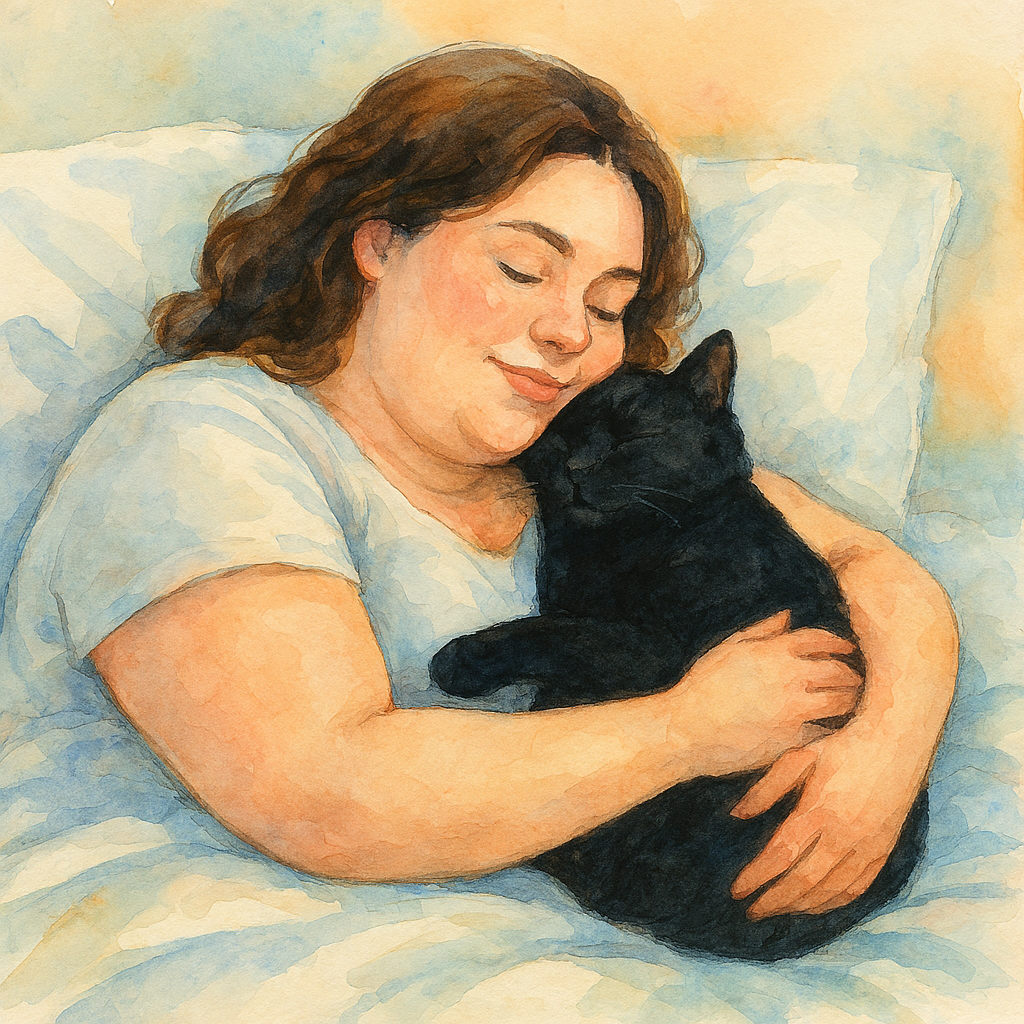
After jammas and snack/water time, I crawl into bed and with my cat, Mr. B. He’s always up for a good cuddle session, especially when it might lead to a nice long nap. Sometimes I turn on a show to watch, listen to music or just enjoy the silence.
If I could give someone out there one final piece of advice when it comes to dialysis it would be this, be gentle with yourself, don’t rush, rest when you need to, take time for yourself and remember you’re doing amazing!